

In a market where ultra-high-net-worth clients already have access to every major broker, shipyard and destination, competitive advantage has shifted. Today, the decisive edge lies not in access itself, but in the ability to read the market, shape demand and execute with precision when timing matters most.
Yacht brokerage still likes to describe itself as a relationship business, and at one level that remains true. Trust matters. Access matters. Discretion matters. But at the top end of the market, those qualities are no longer enough to distinguish one broker from another. The reason is simple: the most sophisticated clients already have access to the full ecosystem. They can reach the leading brokerage houses, the best-known shipyards, the most visible listings and the most sought-after cruising grounds with relative ease. What has become scarce is not entry, but orchestration.
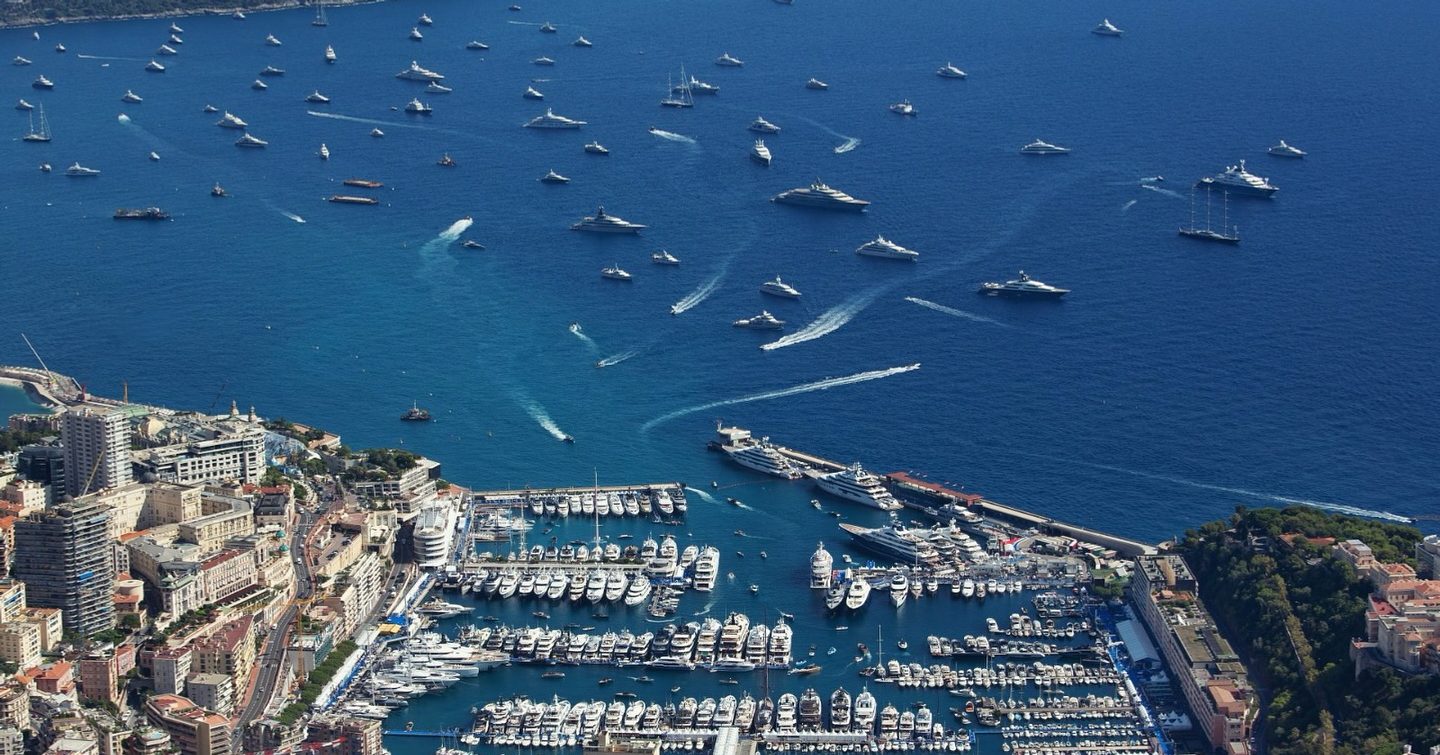
That shift is becoming clearer in the data. Careful tracking shows a market that is moving beyond the post-pandemic frenzy and into a more structurally complex phase, while others describe 2025 as a key reference point for understanding how brokerage, construction and charter dynamics are evolving together. Several prominent brokers report that the first half of 2025 brought a mix of resilience and complexity in both charter and sales, with booking behaviour changing materially even while underlying appetite for luxury yachting remained strong.
The old advantage has narrowed
For years, brokerage advantage was often framed around possession: exclusive listings, personal networks, quiet buyer channels and hard-to-reach owners. But the modern luxury client is far less dependent on a single point of access than the industry sometimes assumes. Family offices, private banks, lawyers, captains, managers and multiple brokers now surround major buying and charter decisions. Information flows faster, options are easier to compare and the barriers that once protected intermediary power have weakened.
In that environment, simply being present in the conversation is no longer enough. The brokers outperforming today are the ones who understand when an owner is likely to reposition an asset, when a charter client will delay until the last moment, when seasonal demand will compress, and when a yacht should be priced, moved or marketed differently to meet the market as it actually behaves rather than as the industry wishes it behaved.
Execution has become the real scarcity
The most revealing phrase in the current market may be this: access is abundant, execution is scarce. That is particularly visible in charter. Some of the larger brokerage companies reported that the 2025 charter market opened strongly, then softened as macroeconomic uncertainty increased, leading to shorter booking windows and an expectation of more last-minute decisions and more time-sensitive offers. Several of the better known industry platforms had already noted in 2024 that brokers were seeing a more cautious market with demand increasingly concentrated in bursts rather than spread smoothly across the season.
Those conditions reward brokers who can do more than answer enquiries. They reward people who can pre-structure demand, advise owners before the market turns, and translate fragmented signals into action. If clients are booking later, itineraries must become more agile. If some destinations are overheating while others are rising, inventory has to be repositioned intelligently. If larger yachts or specific event-driven periods are drawing disproportionate attention, then availability management becomes part of commercial strategy rather than simple administration.
The Mediterranean is still the centre of gravity, but the flow is changing
The Mediterranean remains the emotional and commercial core of the global summer market, but the pattern of demand inside it is shifting. Rising interest in Eastern Mediterranean destinations such as Croatia and Greece has been highlighted, supported by a growing charter fleet and, in some cases, more favourable tax dynamics. It has been observed that Croatia continued its ascent during the 2025 season, while Turkey and the Dodecanese re-emerged as attractive alternatives for clients seeking something less congested than the traditional western hubs.
That matters because brokerage advantage increasingly depends on understanding movement, not just inventory. A broker who knows where demand is concentrating can shift a yacht into the right theatre before pricing pressure emerges. A broker who understands berth scarcity around major events can build charter opportunities months in advance. A broker who recognises that clients now value privacy, flexibility, insider access and frictionless delivery more than simple destination prestige can design a proposition that feels tailored rather than generic.
Sales and charter are no longer separate conversations
Another important change is that the best operators no longer treat brokerage sales, charter and fleet planning as isolated business lines. The broader market is making that siloed thinking harder to justify. A major player in the USA reported 470 superyacht sales world-wide in 2025, up from 392 in 2024, with growth across every quarter and a notable increase in new-build transactions entering the pipeline. At the same time, reliable sources continue to point to a substantial global order book, even as the market becomes more selective about what sells, when and at what price point.
This creates a more interconnected commercial landscape. New deliveries feed future resale inventory. Charter performance influences owner sentiment and holding strategy. Delays in build schedules, soft patches in booking behaviour or a surge in certain size brackets all have consequences across the full lifecycle of the asset. In practical terms, that means the strongest broker today looks less like a classic intermediary and more like a market structurer: part strategist, part allocator, part timing specialist.
Why reactive brokerage is losing ground
Many firms still operate with a reactive model: wait for the enquiry, circulate options, negotiate the deal, move on. That approach can still generate transactions, especially in buoyant periods. But it is no longer the model that defines the top of the market. When seasons are compressed, clients are better advised, destinations are more competitive and inventory decisions carry higher opportunity cost, passive brokerage leaves value on the table.
The alternative is proactive market design. That means identifying underutilised assets before they become stale. It means preparing owners for short-window booking behaviour rather than hoping for old patterns to return. It means aligning charter strategy with sales strategy, and sales strategy with broader fleet trends. Above all, it means understanding that speed alone is not enough; timing must be informed by context, positioning and sequencing.
The next premium will be intelligence-led judgement
For all the industry’s talk of networks, luxury and lifestyle, the next real premium may belong to judgement. Not generic market commentary, but informed, data-literate judgement: the ability to interpret booking patterns, construction pipelines, destination shifts and buyer behaviour early enough to act with conviction. In a more transparent market, that is the one capability that remains difficult to commoditise.
The implication is uncomfortable for parts of the industry. If a brokerage model still depends primarily on waiting for enquiries and matching clients to visible inventory, it is no longer shaping the market; it is reacting to it. And in a sector increasingly defined by compressed seasons, shifting mobility patterns and highly sophisticated clients, reaction is not a strategy. Execution is.