
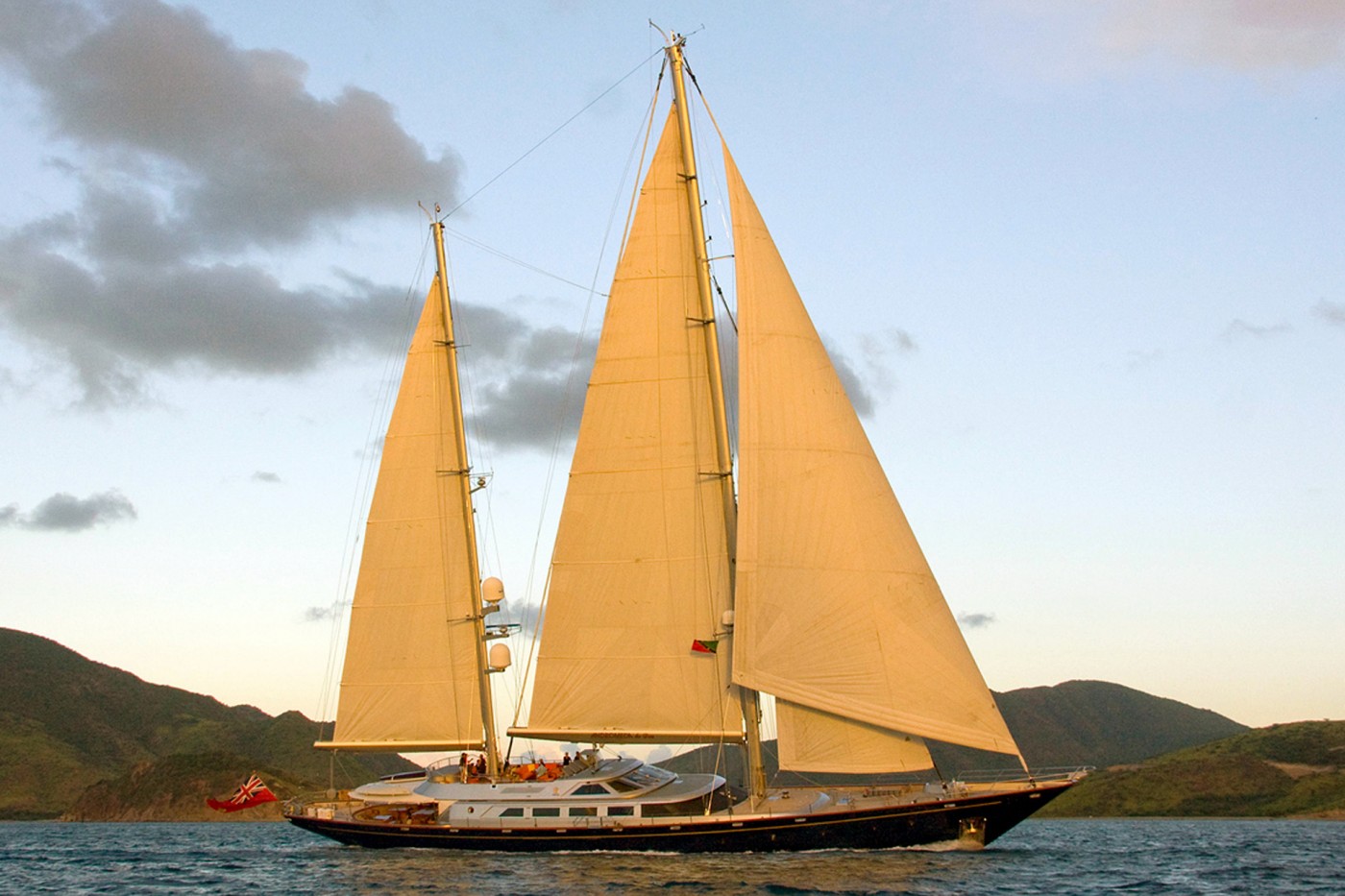
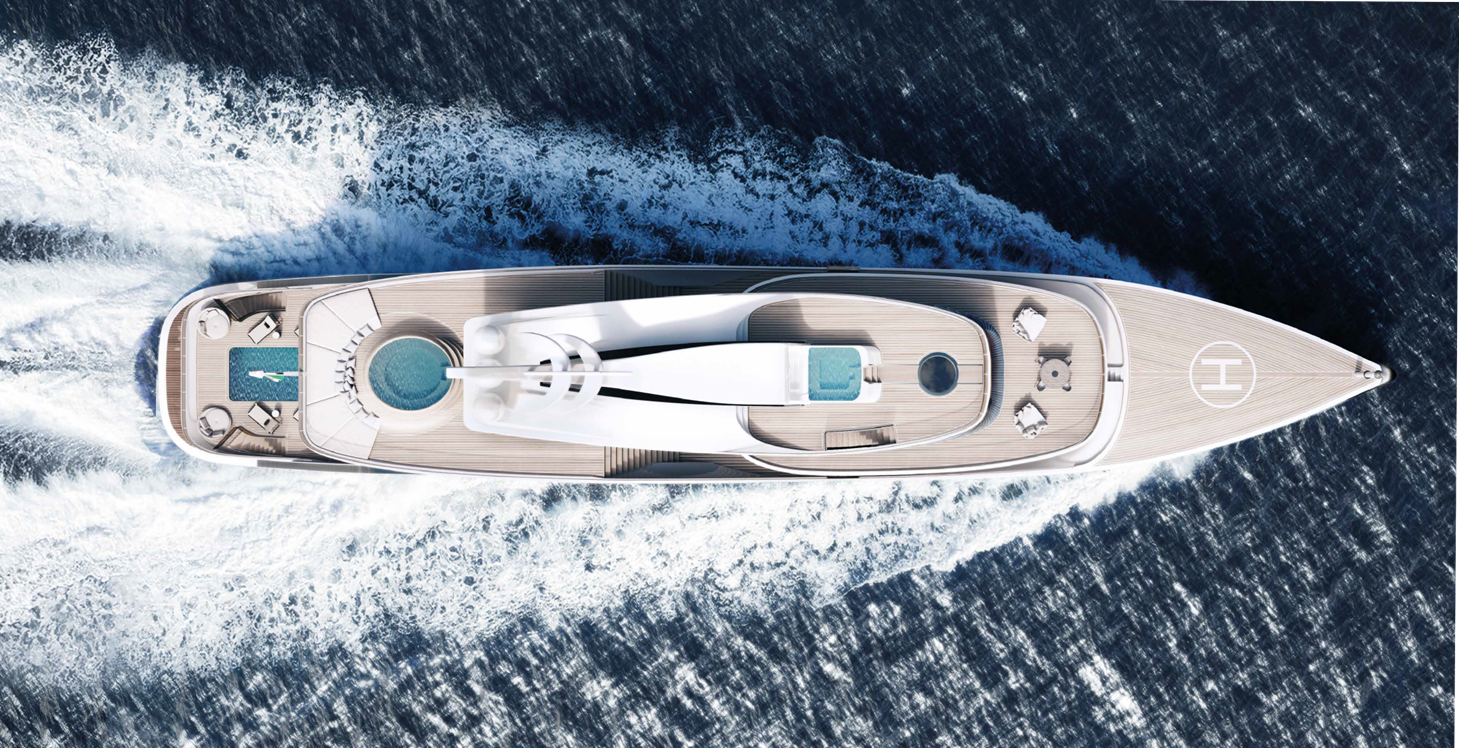
In the late summer of 2024, the sinking of Bayesian off the Sicilian coast sent a shockwave through one of Italy’s most storied yacht-building legacies. Seven lives were lost, but the consequences extended far beyond tragedy. In the months and years that followed, the event cast a long and persistent shadow over Perini Navi and its parent, The Italian Sea Group—a company whose portfolio includes some of the most recognisable names in modern yachting.
By mid-2026, the repercussions had crystallised into something more structural. The group entered a negotiated restructuring process after disclosing financial strain severe enough to trigger Article 2447 of the Italian Civil Code. Alongside this, an independent forensic review was commissioned to investigate budget overruns and internal control failures—an unusual move in an industry built as much on discretion as craftsmanship.
Yet the real question now reaches beyond one company’s turbulence. It speaks to a deeper tension: whether Italy’s luxury yacht sector—long synonymous with elegance, design mastery and Mediterranean romance—can sustain its allure under the pressure of a changing market.
A Collision of Forces
At first glance, it would be easy to frame the unfolding situation as a fall from grace—a narrative of Italian craftsmanship undermined by a single catastrophic event. But such a perspective oversimplifies what is, in reality, a convergence of multiple pressures.
The Italian Sea Group’s challenges stem not only from the reputational damage linked to the Bayesian disaster, but also from a cooling global market and internal financial irregularities significant enough to warrant external scrutiny.
Indeed, the accident appears less the root cause than a catalyst. The company itself has acknowledged that planned sales for Perini Navi stalled after the sinking, while external reporting suggests that the commercial impact was substantial. Even so, the scale of the group’s distress points to pre-existing fragilities—issues that the tragedy merely accelerated into public view.
By early 2026, those underlying dynamics had become impossible to ignore. Cost overruns across multiple projects, alleged circumvention of internal controls, and a rapid deterioration of the balance sheet forced the company into restructuring discussions.
Brands Under Pressure
At the heart of this story lies a portfolio that is far more than a collection of assets. Admiral, Tecnomar, Perini Navi and Picchiotti each represent decades of accumulated reputation—brands that embody distinct philosophies of design, engineering and lifestyle.
Such brand equity is both valuable and fragile. It takes years, even generations, to cultivate, yet can erode rapidly when confidence falters. This is why market reaction in early 2026 proved so telling. Investors were not simply assessing short-term liquidity; they were questioning whether these names could retain their pricing power and desirability through a period of restructuring or ownership change.
For a sector driven as much by perception as by performance, that distinction matters profoundly.
A Wider Industry Slowdown
The difficulties faced by The Italian Sea Group do not exist in isolation. Across the industry, there are clear indications of a broader deceleration.
Ferretti Group—one of the strongest listed players in the sector—reported a decline in first-quarter 2026 order intake from €270.6 million a year earlier to €179.6 million, describing the market environment as softer and slower to convert.
At the same time, activity at the very top of the market continues to generate headlines. Lürssen’s delivery of the 114.2-metre Nausicaä and Turquoise Yachts’ 87.7-metre Angelique demonstrate that demand for exceptional, highly customised superyachts remains resilient.
This divergence highlights a structural reality: the ultra-high-end segment still rewards innovation and exclusivity, while the mid-market—where many Italian builders are concentrated—is feeling the weight of slower order conversion and shifting buyer sentiment.
Italy’s Distinctive Vulnerability
Italy’s yacht-building dominance has traditionally rested on a particular formula: design-led brands positioned in the upper-middle market, combining strong identity with scalable production.
But that same positioning now creates exposure. Companies operating in this segment face high fixed costs without the insulation enjoyed by fully custom, ultra-luxury builders.
The result is a delicate balancing act. Heritage alone—however powerful—no longer guarantees resilience. The market is increasingly demanding operational rigor, financial transparency and technological innovation alongside aesthetic excellence.
Innovation, Compliance and Changing Expectations
Even beyond demand cycles, the industry is undergoing a broader shift in standards.
A case in point emerged in May 2026, when Sunseeker and its U.S. sales arm pleaded guilty to violations involving illegally sourced Burmese teak. The $200,000 fine may have been modest, but the implications were not. It underscored the growing scrutiny around supply chains, sustainability claims and regulatory compliance.
Simultaneously, innovation is reshaping expectations. Builders such as Numarine are pushing forward with silent energy systems, while projects like Nausicaä integrate alternative propulsion readiness and advanced materials engineering.
The message is clear: differentiation is no longer optional—it is essential.
The Enduring Appeal of the Mediterranean Dream
And yet, despite these pressures, the emotional core of Italian yachting remains intact.
Along the Ligurian coast—stretching from Genoa through Portofino to La Spezia—the origins of Italy’s maritime aesthetic are still vividly present. These waters shaped a design language defined by intimacy, light and social interaction, rather than pure technical dominance.
Portofino, in particular, endures as a symbol of that ethos: a harbour where even the largest yachts coexist with human-scale architecture and the rhythms of daily life. It is this cultural dimension—this promise of Mediterranean ease—that Italian brands have long sold alongside their engineering.
Relationships That Endure
In contrast to narratives of disruption, there are also stories of continuity that point to a more stable path forward.
The long-standing collaboration between Turquoise Yachts and H2 Yacht Design illustrates the enduring value of trust and incremental innovation. Their ninth joint project, Angelique, not only represents a technical achievement but also a testament to what sustained partnerships can deliver in an industry often driven by novelty.
Such relationships suggest that resilience may come not from reinvention alone, but from deepening established strengths.
A Defining Moment Ahead
As the industry looks toward the summer of 2026, attention converges on a single date: 22 July. On that day, The Italian Sea Group’s shareholders are set to decide the future structure of the company and its brands.
The outcome will likely determine not only the fate of Admiral, Perini Navi, Tecnomar and Picchiotti, but also the broader perception of Italian yacht-building in a period of transition.
Will these brands emerge intact, their identities preserved within a restructured framework? Or will they fragment, becoming pieces in a wider reshaping of the market?
Beyond Heritage
What remains undeniable is that the industry has entered a new phase.
Prestige alone is no longer sufficient. The next decade will reward those builders able to combine heritage with governance, creativity with discipline, and design excellence with operational transparency.